Wolverine Store · repair studies
Repair under load: BPC-157 TB-500
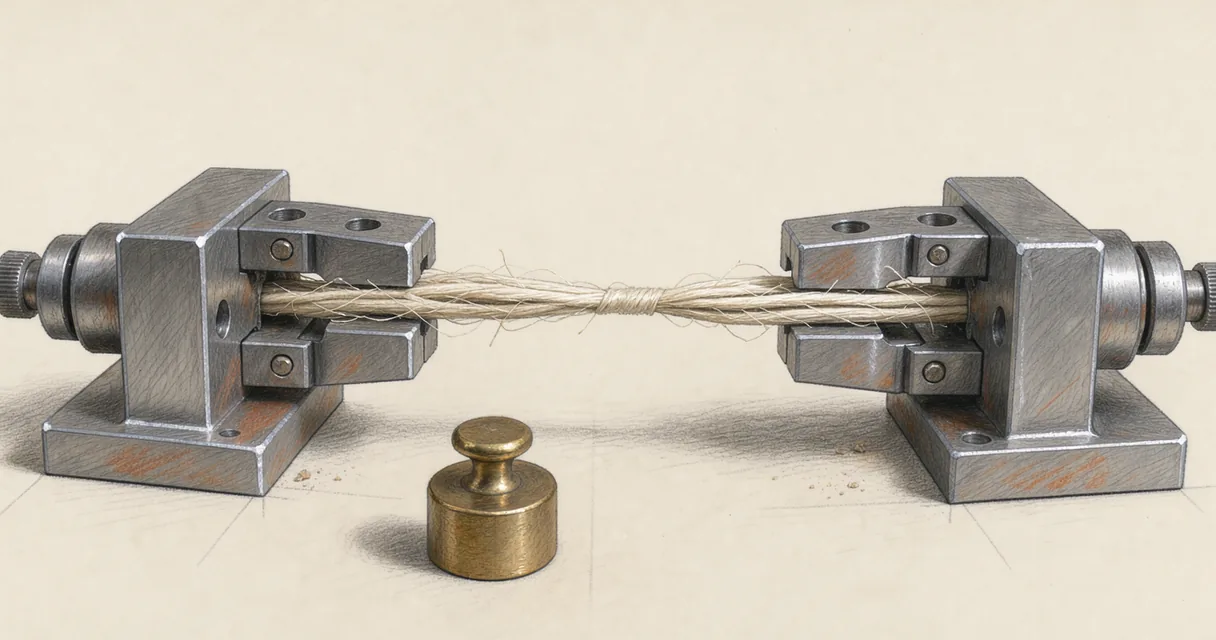
The rat Achilles experiment
In the 2003 BPC-157 experiment on a fully transected rat Achilles tendon, repair had to answer to several measurements: function, collagen organization, microscopic appearance and load-to-failure, the force a tendon withstands before it gives way. BPC-157 improved the measures against untreated controls. The BPC-157 TB-500 combination was absent from that experiment.
I like the severity of that last measurement. The tissue has to carry something. A name such as Wolverine invites a much faster, cleaner story about regeneration than the animal work can supply; this paper offers a specific repair under specific experimental conditions.
That is enough to be interesting. It leaves human recovery, the added effect of TB-500 and the safety of the pair open. The 2025 systematic review of BPC-157 found 36 studies, 35 preclinical and only 1 human, and found no clinical safety data. It contained no TB-500 combination study.
BPC-157 and TB-500
BPC-157 is a synthetic 15-amino-acid peptide derived from part of a protein found in human gastric juice. Its sequence is GEPPPGKPADDAGLV and its mass is ~1419.5 Da. The gastric peptide studied in rat tendon repair is a surprisingly roundabout starting point for a compound now associated with athletic injuries.
TB-500 is the synthetic Ac-LKKTETQ heptapeptide, ~889 Da, corresponding to residues 17-23 of the 43-residue protein thymosin beta-4. The chemical characterization of this short fragment matters because much of the repair literature used the full-length protein, ~4963 Da. Borrowing its entire record for the smaller fragment requires an assumption.
BPC-157 has vascular effects in cell and animal models involving VEGFR2. Thymosin beta-4 has actin-binding and cell-migration research behind it. Those separate findings explain the interest in pairing them; the combined effect still needs to be measured.
Wolverine peptide blend, stack and spray
“Wolverine peptide” and “wolverine peptide stack” are names used for the BPC-157 + TB-500 pairing. “BPC-157 TB-500 stack,” “blend” and the unhyphenated “BPC 157 TB 500” lead back to those same constituents. The pairing has no single molecular weight or CAS number, no standardized composition and no validated clinical ratio.
A Wolverine spray search raises a route question as well as a naming question. There are no controlled human trials of the combination to establish a spray's effectiveness, absorption or safety. A familiar name on a different delivery format cannot supply that missing experiment.
Neither component is FDA-approved for human use, and the blend has no approved indication. The FDA record on the components has changed since their original Category 2 placement; the dates and qualifications are on the legal-status page.
Research, effects and legal status
The repair experiments move from tendon strength to muscle fibres and blood-vessel growth. The recent literature puts the small human studies beside the larger animal record. An experiment that explains a mechanism can leave the practical problem almost untouched.
For the more immediate searches, there are separate pages on dosage and routes in studies, reported effects and safety and frequently asked questions. The instant-repair reputation irritates me. The slow work of finding out whether any of this helps is much more interesting.